
Beltane is one of the most vibrant and symbolically rich festivals in the Wheel of the Year, traditionally celebrated on May 1st. Rooted in ancient Celtic tradition, it marks the transition from spring into early summer, a time when the earth is fully alive, fertile, and abundant.
The name “Beltane” is often understood to derive from the Celtic god Bel or Belenus, associated with light and fire. The festival itself was centered around fire as both a protective and life-giving force. These fires were not just symbolic, they were integral to the rituals and communal life of the people who celebrated them.
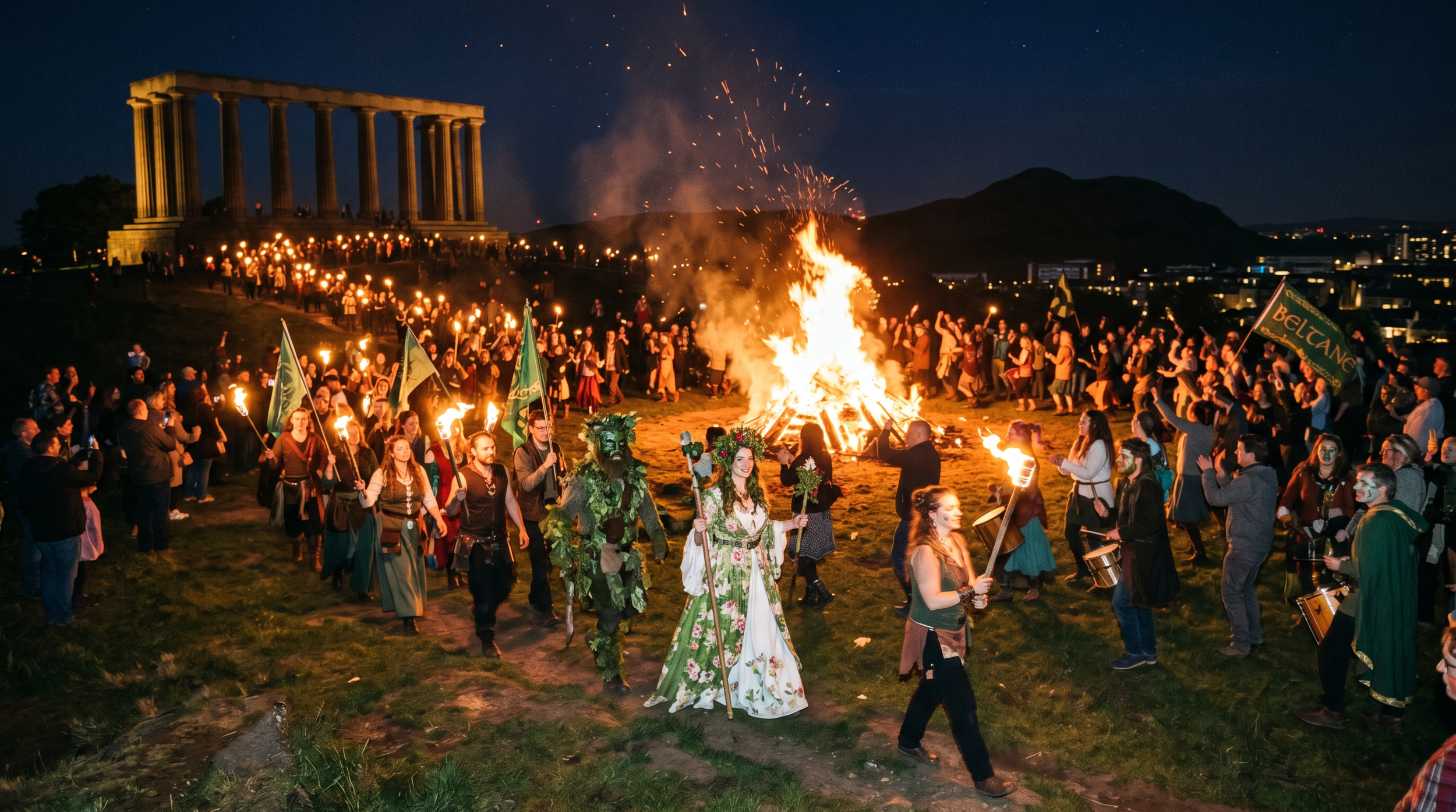
Historically, Beltane was a pastoral festival. It marked the time when livestock were moved from winter pastures to summer grazing lands. To ensure protection and fertility, cattle were driven between two sacred fires. This act was believed to cleanse, protect, and bless them for the coming season.
Fire, in this context, was both practical and spiritual.
It represented transformation, purification, and vitality. Communities would gather to light large bonfires, often extinguishing their household fires beforehand and relighting them from the communal flame. This act reinforced unity and the idea that all life and energy stemmed from a shared source.
Beltane was also deeply tied to fertility, not only in the agricultural sense but in human relationships and creative expression. It was a time when the boundaries between worlds were considered thin, similar to Samhain, but with a very different energy.
Where Samhain leaned toward introspection and ancestral connection, Beltane leaned toward life, passion, and embodiment.
The maypole, now one of the most recognizable symbols of Beltane, emerged later but carries strong fertility symbolism. The pole itself represents masculine energy, while the ribbons woven around it symbolize the intertwining of masculine and feminine forces. The dance becomes a living expression of balance, union, and creation.
Floral crowns, greenery, and blossoms were also central to Beltane celebrations. Homes and altars were adorned with flowers to invite growth, beauty, and prosperity. The natural world was not separate from the spiritual, it was the spiritual made visible.
Over time, Beltane evolved, blending with May Day celebrations and adapting to different cultural contexts. While some of the original practices faded, the essence of the festival remained: a celebration of life at its fullest expression.
Today, Beltane is observed by modern pagans, witches, and those drawn to seasonal living as a time to honor growth, creativity, and desire. It is a moment to recognize what is blooming, both externally and within.
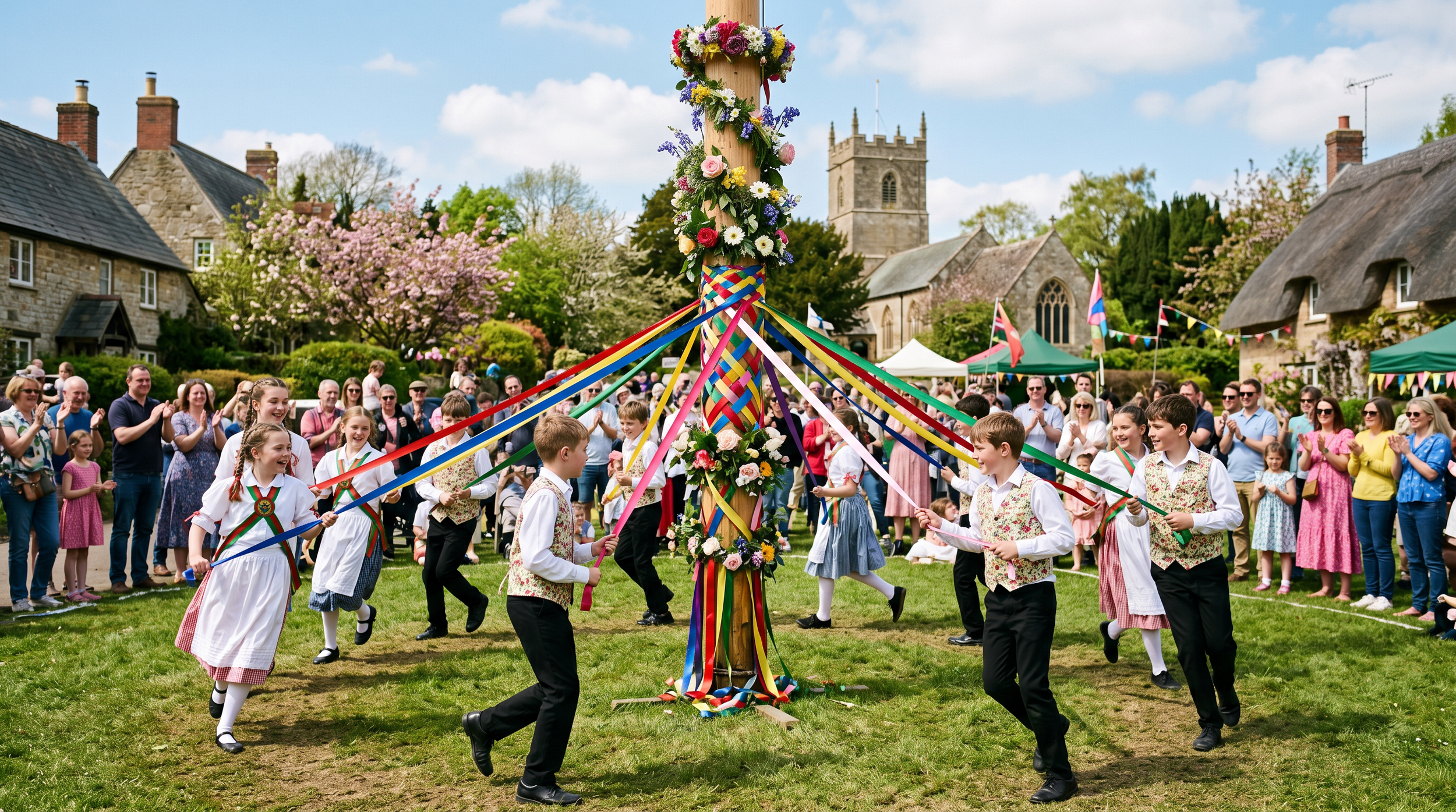
The historical roots of Beltane remind us that celebration itself can be sacred. That gathering, creating, and honoring the cycles of the earth are not separate from spiritual practice, they are central to it.
Beltane is not just a festival of fire, it is a celebration of becoming.
