
Spiritual discipline is often praised in spiritual spaces, and for good reason.
Consistency builds strength. Commitment deepens understanding. Showing up for your practice creates stability and clarity over time. Discipline is what allows your work to develop beyond surface-level engagement.
But there is a point where discipline shifts into something else entirely.
A point where consistency becomes compulsion.
Where intention becomes urgency.
Where devotion becomes control.
And when that shift happens, it does not strengthen your practice, it begins to block it.
Understanding the difference between spiritual discipline and spiritual obsession is essential for anyone doing consistent work, especially in practices rooted in brujería, ritual, or manifestation.
Because more effort does not always mean better results.
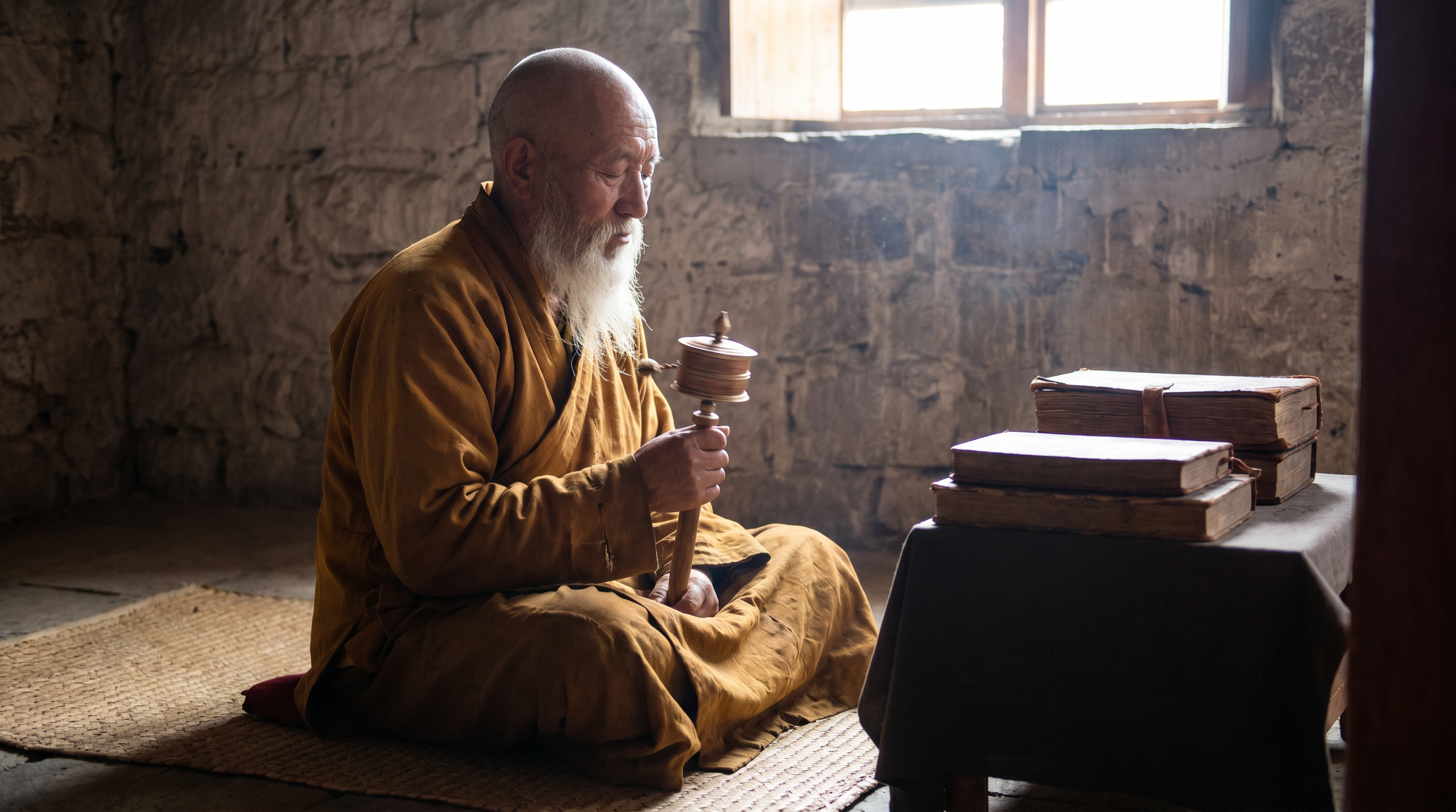
What Spiritual Discipline Actually Is
Spiritual discipline is steady.
It is grounded, intentional, and sustainable. It allows for movement, reflection, and trust. It does not demand constant output, nor does it rely on emotional urgency to function.
Discipline looks like:
Showing up consistently without forcing outcomes
Completing work and allowing it to settle
Maintaining spiritual hygiene without anxiety
Practicing with clarity instead of compulsion
Knowing when to act and when to pause
There is structure, but there is also space.
This balance is what makes discipline effective. It supports your practice without overwhelming it.
What Spiritual Obsession Looks Like
Obsession often disguises itself as dedication.
On the surface, it can look like commitment, doing more, checking more, engaging more. But underneath, it is driven by something very different.
Obsession is rooted in fear, doubt, and the need for control.
It often shows up as:
Repeating the same ritual multiple times “just to be sure”
Constantly seeking signs or validation
Pulling cards repeatedly for the same situation
Feeling anxious or unsettled when there is no immediate movement
Believing that doing more will force faster results
Struggling to step away from a situation mentally or spiritually
This is not discipline.
It is lack of trust expressed through overactivity.
And while it may feel productive, it actually disrupts the very work you are trying to support.
Why Obsession Blocks Results
Spiritual work relies on flow.
Energy is set in motion, and then it needs space to move, shift, and take form. When that space is interrupted, the work cannot stabilize.
Obsession creates pressure.
It keeps pulling your energy back into the same point, preventing it from expanding outward. Instead of allowing things to unfold, you begin to interfere with them repeatedly.
This can lead to:
Delayed results
Confusion in outcomes
Emotional burnout
Increased doubt
Ironically, the more you try to control the outcome, the less movement you create.
The Role of Control in Spiritual Work
At the center of obsession is control.
The need to know:
When something will happen
How it will happen
Whether it is working
But spiritual work does not respond to control, it responds to alignment.
Control creates tension.
Alignment creates movement.
When you are constantly checking, adjusting, or repeating, you are not allowing the work to exist independently of your fear.
And that independence is necessary for results.
How to Return to Discipline
If you recognize obsessive patterns in your practice, it does not mean you are doing anything wrong.
It means your focus needs to shift from control to trust.
Here are ways to recalibrate:
Complete the Work, Then Step Back
Once a ritual or intention is set, allow it to exist without interference.
Limit Repetition
Repeating work out of anxiety weakens the original intention instead of strengthening it.
Create Structure Without Pressure
Have regular practices, but do not force engagement when it is not needed.
Allow Time for Movement
Not everything manifests immediately. Give your work space to unfold.
Pay Attention to Emotional Triggers
If you feel urgency, ask what is driving it, fear, doubt, or lack of trust.
A Brujería Perspective
In traditional practices, there is an understanding that once work is done, it is left alone.
Candles are set and allowed to burn.
Petitions are made and respected.
Work is completed, and then trusted.
There is restraint in this approach.
Not because nothing is happening, but because interfering with the process is understood to be counterproductive.
This kind of discipline is not passive, it is intentional.

Closing Thoughts
Spiritual discipline creates space for your work to grow.
Spiritual obsession fills that space with noise.
If your practice feels heavy, urgent, or overwhelming, it may not need more effort, it may need less interference.
Because sometimes the most powerful thing you can do is not add more…
But allow what is already in motion to unfold.
