
Among the deities of the Mexica (Aztec) pantheon, few are as misunderstood, and as powerful, as Tlazōlteōtl. Often translated as the “Filth Eater,” her name can sound jarring at first encounter. But like many aspects of Mesoamerican spirituality, the meaning is layered, symbolic, and deeply tied to the realities of human experience.
She is not a goddess of filth in the way outsiders might assume. She is the one who removes it.
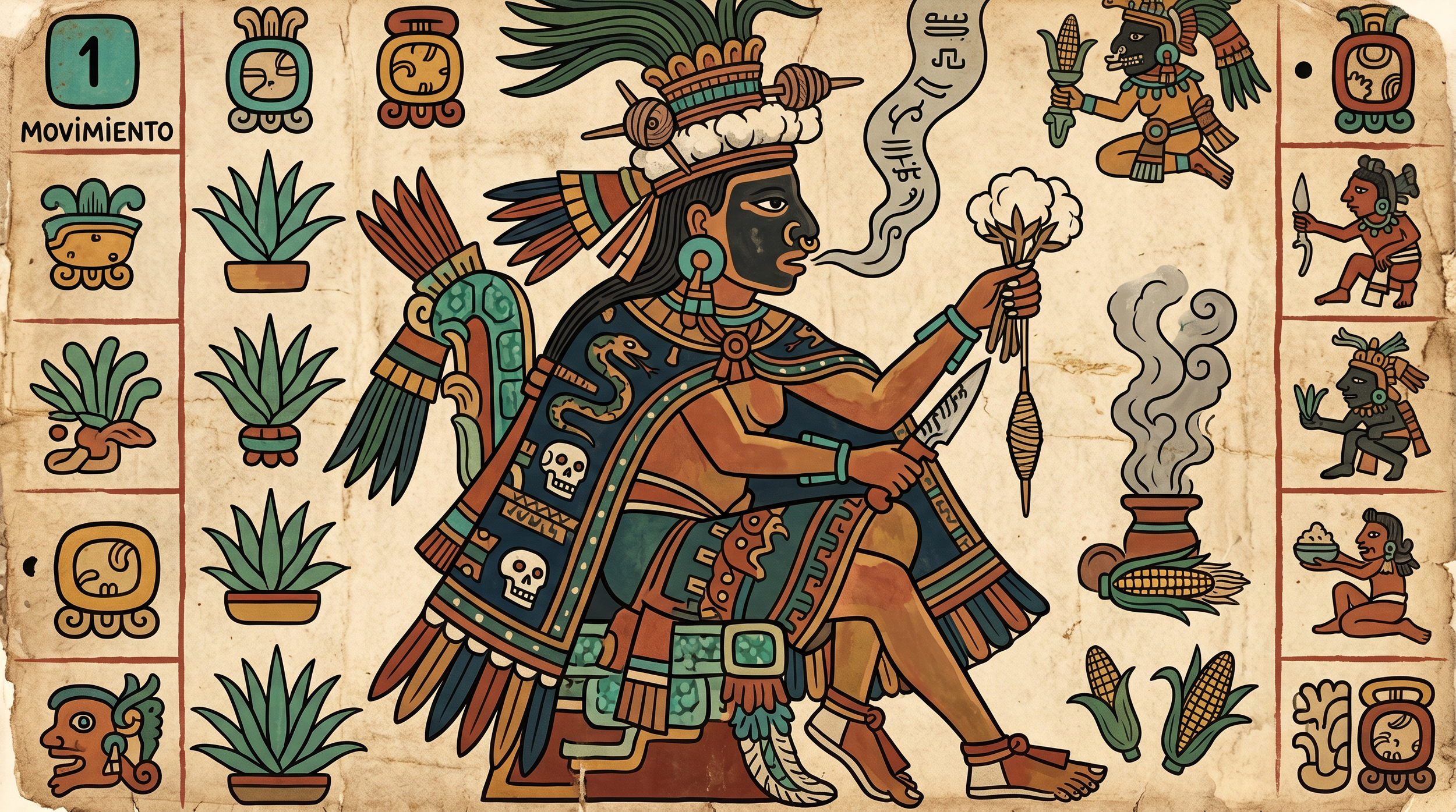
Understanding the Title: What Does “Filth Eater” Really Mean?
The Nahuatl word tlazōlli refers to filth, vice, excess, and moral or spiritual impurity. This includes things like:
Guilt
Shame
Overindulgence
Secrets carried too long
Actions that weigh on the spirit
Tlazōlteōtl was believed to both provoke and absolve these human experiences. She governs the full cycle: indulgence, consequence, confession, and cleansing.
To “eat the filth” is to take in what is heavy, toxic, or burdensome, and transform it. This is not corruption. This is alchemy.
A Goddess of Contradictions
Like many deities in Mexica cosmology, Tlazōlteōtl exists in duality.
She is associated with:
Desire and temptation
Purification and forgiveness
Fertility and creation
Midwives and healers
Confession and release
This dual nature reflects a core truth: human beings are not separate from their shadows.
Rather than demanding perfection, Tlazōlteōtl acknowledges the full spectrum of existence, the messy, complicated, deeply human parts of life.
And more importantly, she offers a path through them.
Confession as Sacred Act
One of the most powerful aspects of her worship was ritual confession.
People would go to a priest or priestess, often later in life, and confess their actions, wrongdoings, or burdens. Through this process, Tlazōlteōtl would “consume” these spiritual impurities, freeing the individual from their weight. But this was not something taken lightly.
Confession was often considered once in a lifetime, making it a deeply intentional and transformative act. It required honesty, accountability, and a willingness to truly release what had been carried.
There is something important here for modern practitioners:
Cleansing is not just about removing energy. It is about acknowledging what created it.
The Connection to Shadow Work
In contemporary spiritual language, Tlazōlteōtl’s domain closely aligns with what many now call shadow work.
She does not turn away from:
Shame
Desire
Regret
Emotional complexity
Instead, she invites confrontation with these aspects, not for punishment, but for integration and release.
Working with her energy (or studying her symbolism) is not about bypassing discomfort. It is about moving through it with honesty.
She teaches that what is hidden festers, but what is brought forward can be transformed.
A Brujería Perspective: Cleansing Beyond the Surface
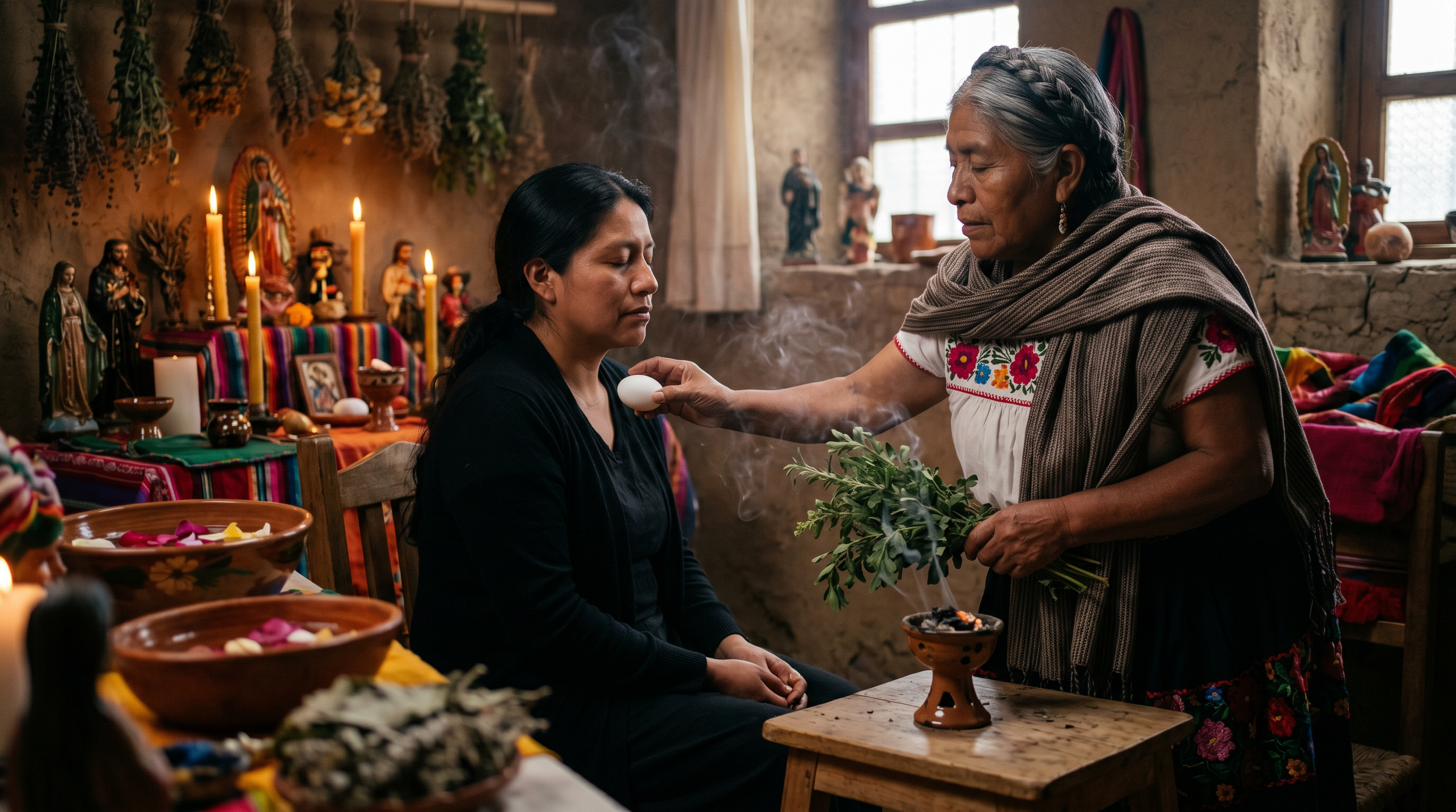
For those practicing brujería, Tlazōlteōtl’s influence can be felt in the deeper layers of limpia work.
Not just spiritual baths or smoke cleansing, but the kind of work that asks:
What am I holding onto?
What needs to be named?
What am I ready to release?
True cleansing is not always gentle. Sometimes it is raw, emotional, and confronting.
But it is also liberating.
In this sense, the idea of a “filth eater” becomes something sacred: a force that can hold what you no longer wish to carry.
Respecting Cultural Context
It’s important to approach Tlazōlteōtl with respect and awareness.
She belongs to a specific cultural and historical framework rooted in Mexica spirituality. While her symbolism can resonate widely, her origins should not be stripped or simplified.
For those with ancestral ties, her presence may feel deeply personal. For others, she can still be studied and honored through education, respect, and acknowledgment of her origins.
Working with the Energy of Release
Even without direct devotional practice, there are ways to embody the lessons she represents:
Practice Honest Self-Reflection
Not everything needs to be labeled as “high vibration.” Sit with the real.
Incorporate Ritual Release
Write down what you’re holding and safely burn it. Speak your truth out loud. Let it exist outside of you.
Allow Complexity
You can be spiritual and still have shadows. Growth does not require perfection.
Prioritize Deep Cleansing
Go beyond surface-level rituals. Address the emotional and spiritual roots.
Closing Thoughts
Tlazōlteōtl reminds us of something many spiritual spaces avoid:
There is no transformation without confrontation.
The parts of life that feel messy, heavy, or even shameful are not signs of failure. They are part of being human.
And within that humanity is the opportunity for release.
To be cleansed is not to have never carried filth.
It is to have the courage to face it, name it, and finally let it go.
