
Brujería is one of the most misunderstood spiritual traditions today.
In recent years, the word bruja has become aesthetic, a style, a trend, a mood board. Social media has reduced brujería to candles, tarot spreads, and “manifestation rituals.” But true brujería is far older, deeper, and more devotional than that.
So what is brujería, really?
And just as important , what is it not?
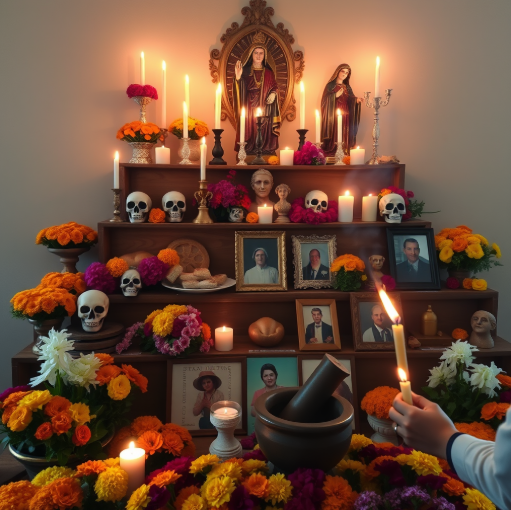
What Is Brujería?
At its core, brujería is a living system of folk magic rooted in ancestry, land, prayer, and relationship.
In Mexican brujería and other Latin American folk traditions, it is not separate from spirituality, it is intertwined with devotional practice. Saints, ancestors, herbs, psalms, offerings, and ritual acts all form part of a relational ecosystem. Brujería is not about domination over reality; it is about participation within a spiritual world that is already alive.
A bruja does not simply “cast spells.”
A bruja tends relationships.
Those relationships may include:
Saints and holy figures
Ancestors
The spirits of the land
Plant allies
Protective forces
Divine currents
Brujería operates through reciprocity. You ask, you offer. You petition, you pray. You cleanse, you give thanks.
It is not fast magic. It is not ego magic. It is not performance magic.
It is devotional folk magic rooted in responsibility.
Brujería Is Not an Aesthetic
One of the most common misunderstandings is treating brujería as a vibe.
Wearing black, lighting a candle, buying crystals, or posting altar photos online does not automatically make someone a practitioner of brujería. Those things may be tools, but they are not the tradition itself.
Brujería is lived.
It is found in kitchens where herbs are prayed over before becoming teas.
It is found in quiet rosaries said for protection.
It is found in offerings left with intention.
It is found in the ethical discernment of when not to work something.
Aesthetic witchcraft centers appearance.
Brujería centers relationship.
Brujería Is Not Manifestation Culture
Modern spiritual spaces often frame magic as a tool for control: think it, script it, demand it, receive it.
Brujería does not function that way.
Traditional folk magic understands that:
Free will exists.
Divine timing exists.
Consequences exist.
Not every petition is appropriate.
A seasoned bruja knows that just because something can be worked does not mean it should be worked.
This is where spiritual responsibility enters.
Brujería includes cleansing, protection, uncrossing, healing, and yes, sometimes influence or reversal work. But it is not rooted in ego-driven desire. It is rooted in balance and survival.
Historically, brujería served communities. It protected families. It addressed illness. It sought justice. It preserved culture under oppression.
It was never about aesthetics. It was about endurance.
Brujería and Saint Work
Another misconception is that brujería exists outside of Catholic or saint devotion.
In many Mexican and Latin American traditions, saint work and brujería are intertwined. A bruja may pray novenas, work with specific saints for specific conditions, and approach the altar with reverence rather than command.
Saints are not vending machines.
They are spiritual allies approached with respect.
Devotional magic requires humility. It requires boundaries. It requires understanding that saints, like all spiritual forces, have personalities, preferences, and jurisdiction.
This is why discernment is essential. Not every situation belongs before a saint. Not every saint is appropriate for every petition.
Brujería honors structure.
Brujería Is Not Cultural Appropriation
It must also be said: brujería is not a label to claim casually.
The term carries cultural weight. It is tied to colonization, survival, Indigenous knowledge, African diasporic influence, and syncretic religious evolution. To remove it from context and treat it as interchangeable with generic “witchcraft” erases its history.
This does not mean traditions cannot evolve or that knowledge cannot be shared responsibly. But respect, acknowledgment, and study matter.
Brujería is not a costume. It is lineage, land, and lived practice.
Brujería and Herbalism
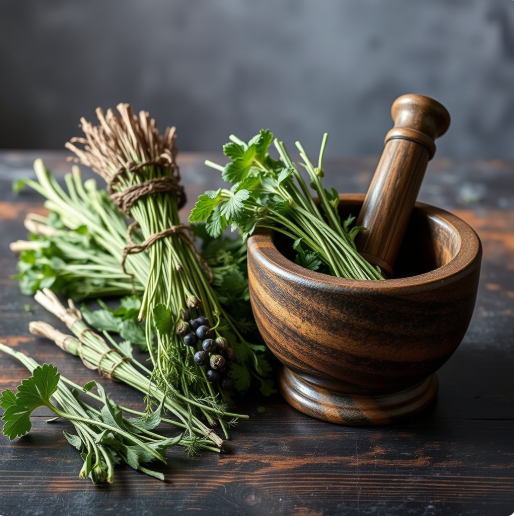
Herbs in brujería are not just ingredients, they are allies.
Plant medicine within folk magic is both physical and spiritual. A tea may calm the nervous system, but it may also cleanse spiritual heaviness. A bath may soothe muscles, but it may also remove crossed conditions.
The relationship to herbs is not transactional. It involves gratitude, prayer, and understanding correspondences that have been passed down through generations.
This is part of what makes brujería holistic. It does not separate the spiritual body from the physical one.
Brujería Requires Accountability
Perhaps the most important truth about brujería is this:
It requires maturity.
It asks practitioners to:
Examine their motives
Accept consequences
Respect spiritual hierarchies
Maintain protection and cleansing
Approach the unseen world with humility
It is not about being powerful.
It is about being responsible.
A true bruja understands that spiritual work interacts with living systems, and living systems respond.
So What Is Brujería?
Brujería is:
Folk magic rooted in ancestry
Devotional and relational
Structured and ethical
Intertwined with prayer and plant wisdom
Community-centered and historically resilient
A living spiritual tradition
And what is it not?
It is not aesthetic performance.
It is not manifestation culture.
It is not spiritual ego.
It is not detached from responsibility.
Brujería is lived, tended, and respected.
For those feeling called toward this path, the invitation is not to consume it, but to approach it with reverence, study, and sincerity.
Because true brujería is not about appearing powerful.
It is about walking in right relationship with the seen and unseen worlds.
