
Ancestor work is one of the most widely discussed aspects of modern spirituality.
Yet it is also one of the most intimidating.
Many people are interested in connecting with their ancestors but immediately encounter a problem:
They do not know who their ancestors were.
Perhaps family records were lost.
Perhaps adoption, migration, estrangement, colonization, or historical trauma severed connections to family history.
Perhaps relationships with living family members are difficult, painful, or unsafe.
Whatever the reason, many people assume that without names, photographs, heirlooms, or detailed genealogical records, ancestor work is impossible.
It is not.
In fact, one of the most important things to understand is that ancestor work does not begin with a perfectly arranged altar.
It begins with relationship.
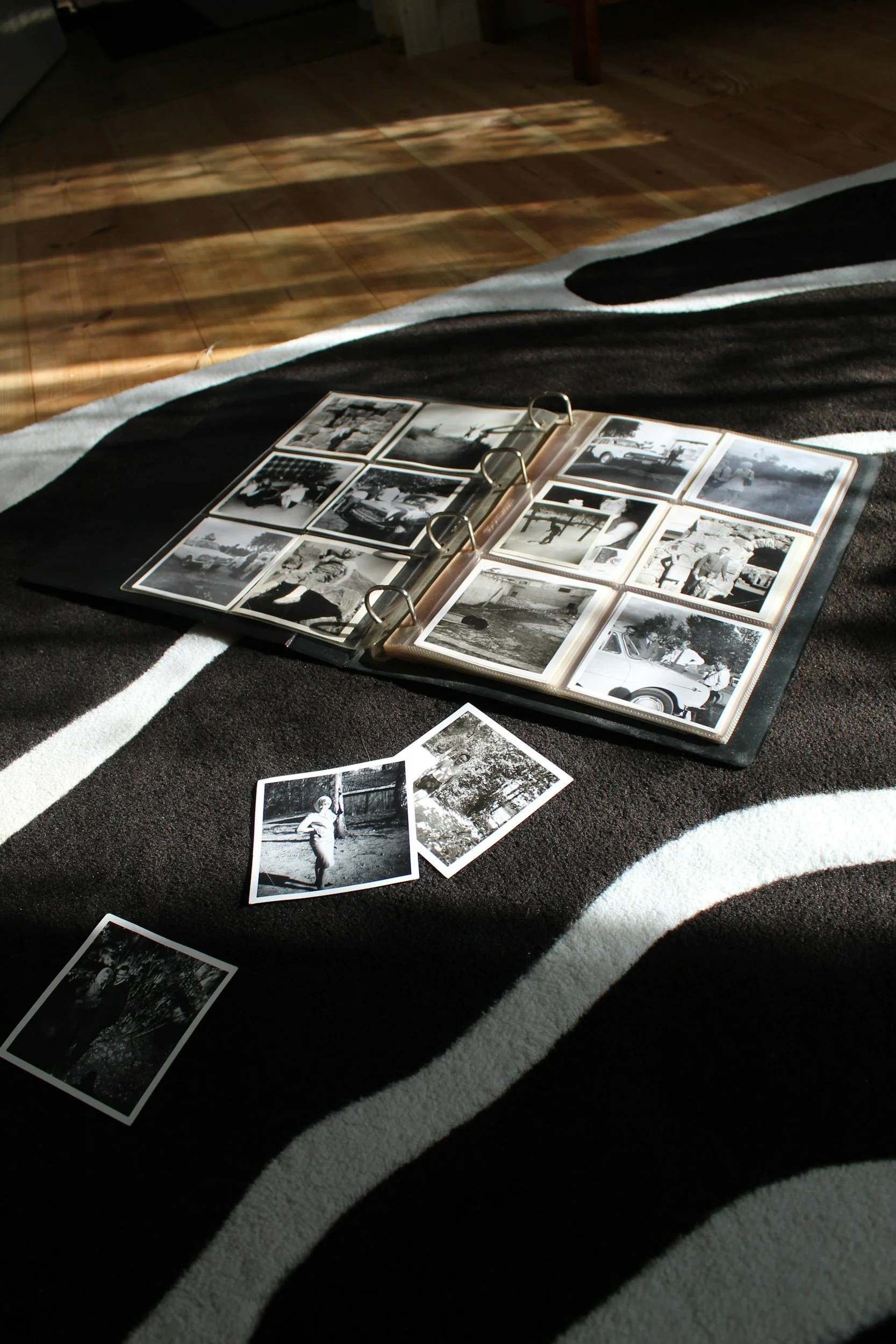
The Misconception About Ancestor Altars
Social media has made ancestor altars incredibly visible.
Beautiful photographs show:
Framed portraits
Family heirlooms
Candles
Flowers
Offerings
Historical documents
These spaces can be meaningful and powerful.
But they sometimes create the impression that an altar must be elaborate before ancestor work can begin.
That simply is not true.
An altar is a tool.
It is not the relationship itself.
Many people spend so much time worrying about creating the "perfect" ancestor altar that they never begin developing an actual connection.
The altar supports the work.
It does not replace it.
Who Counts as an Ancestor?
When people hear the word ancestor, they often think only of direct blood relatives.
But many traditional perspectives are far broader.
Ancestors can include:
Blood relatives
Cultural ancestors
Spiritual ancestors
Elders who preserved traditions
Teachers who shaped your path
Those whose sacrifices made your life possible
This broader understanding can be especially helpful for individuals who have limited knowledge of their biological lineage.
Connection does not always require complete documentation.
Sometimes it begins with gratitude.
Starting with the Known
If you know even a small amount about your family history, start there.
You do not need to trace your lineage back hundreds of years.
Begin with:
Grandparents
Great-grandparents
Family stories
Cultural traditions
Recipes
Languages
Songs
Values that have been passed down
These seemingly ordinary things often become powerful entry points into ancestral connection.
Ancestral wisdom is not always found in dramatic revelations.
Sometimes it lives quietly in everyday practices.
What If Family History Is Unknown?
This is a reality for many people.
Family records may be unavailable.
Generations may have been displaced.
Names may have been lost.
If this is your situation, ancestor work can still be approached respectfully.
Rather than focusing on specific individuals, some practitioners begin by honoring:
The ancestors known and unknown
The people whose lives contributed to their existence
The generations that survived hardship
The wisdom carried forward through culture and tradition
You do not need every name to acknowledge the existence of those who came before you.
The Difference Between Ancestor Work and Ancestor Worship
This distinction is important.
Many traditions emphasize respect and remembrance rather than worship.
Ancestor work often involves:
Gratitude
Reflection
Learning
Relationship-building
Cultural connection
It is less about elevating ancestors to divine status and more about recognizing the role they play within the larger story of your life.
Like any relationship, it develops over time.
Simple Ways to Begin
Ancestor work does not require elaborate rituals.
Some simple practices include:
Lighting a Candle
A candle can serve as a gesture of remembrance and acknowledgment.
As you light it, you may simply say:
"To those who came before me, known and unknown, thank you."
Simple sincerity is often more meaningful than complexity.
Sharing Food
Many traditions include offering food or drink.
A small portion of a meal, coffee, tea, bread, fruit, or water can become an act of remembrance.
This reflects a long-standing human practice of hospitality extended across generations.
Learning Family Stories
If possible, speak with older relatives.
Ask questions.
Record stories.
Preserve memories.
Ancestor work often begins with listening.
Honoring Cultural Traditions
Preparing traditional foods, learning ancestral languages, studying history, and preserving cultural practices can all become forms of ancestral connection.
Ancestry lives in culture as much as genealogy.
The Importance of Discernment
Not every ancestor should automatically be idealized.
This is a reality that many people struggle with.
Families contain:
Wisdom
Strength
Sacrifice
But also:
Mistakes
Harm
Unresolved patterns
Healthy ancestor work recognizes both.
The goal is not blind reverence.
The goal is understanding.
You can honor the journey that brought you here without excusing everything that occurred along the way.
A Brujería Perspective on Ancestors
Within many forms of brujería and folk practice, ancestors are often approached as sources of wisdom, guidance, protection, and continuity.
However, the relationship is typically built gradually.
Respect comes first.
Consistency comes second.
Trust develops over time.
This mirrors how relationships function in the living world.
You do not force connection.
You cultivate it.
When the Altar Comes Naturally
Interestingly, many people discover that once the relationship begins, the altar develops on its own.
A candle is added.
A photograph appears.
An heirloom finds its place.
A small space of remembrance emerges organically.
This process is often more meaningful than trying to build a perfect altar from the beginning.
Because now the objects reflect a relationship that already exists.
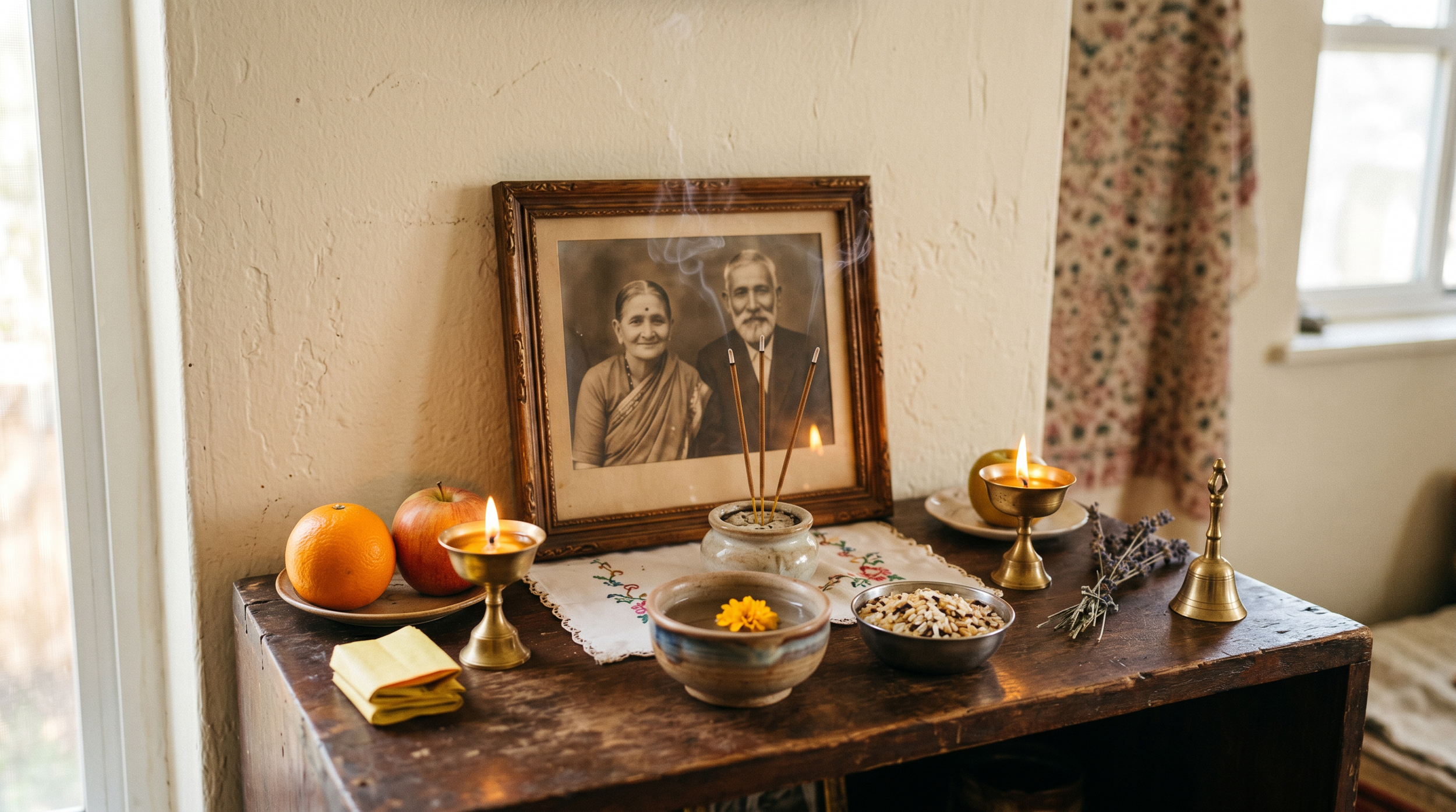
The Healing Potential of Ancestor Work
For many people, ancestor work becomes a source of healing.
Not because it erases pain or answers every question.
But because it creates connection.
It reminds us that we did not arrive here alone.
We are part of a larger story.
A larger lineage.
A larger continuum of human experience.
That perspective can be grounding, especially during periods of uncertainty and change.
Closing Thoughts
Ancestor work does not begin with an altar.
It begins with acknowledgment.
With curiosity.
With respect.
You do not need perfect records, family heirlooms, or generations of documented history to start building a relationship with those who came before you.
You simply need a willingness to remember that your story did not begin with you.
And sometimes that realization alone is enough to open the door.
